
An oversized mini-split cools a room worse, not better, because it satisfies the thermostat and shuts off before running long enough to pull humidity from the air, leaving a space that feels cold and clammy at the same time in Georgia's humid climate.
In a multi-zone ductless system, every indoor unit runs independently, so one bedroom can be kept cool at night while an unused room is set back, and each occupied room can hold its own preferred temperature.
Even a correctly sized mini-split delivers uneven temperatures and drafts if the indoor unit is blocked by furniture or aimed straight at a bed or desk, which is why thoughtful placement is what turns correct sizing into comfort actually felt in the room.
A ductless mini-split can deliver some of the most even, quiet comfort available in a North Atlanta home, but only when it is sized, placed, and set up correctly. The same equipment that keeps a room perfectly steady when done right can leave it cold in one corner and stuffy in another when the install is rushed. For homeowners looking at ductless mini splits Atlanta ga wide, the difference between good and great comes down to a handful of decisions made before and during installation. Understanding those decisions, how many zones a home needs, where the indoor units belong, and how the system is sized to the actual space, helps a homeowner get the comfort ductless mini splits Atlanta ga residents hope for rather than a system that merely runs. One Hour Heating and Air Conditioning of North Atlanta installs and services these systems across Alpharetta, Roswell, Sandy Springs, and the broader metro, and getting the setup right is where the comfort is won or lost.
This article is general information about ductless comfort, not a repair manual or a substitute for an in-home assessment. The right configuration for a given home depends on a load calculation and a look at the actual space.
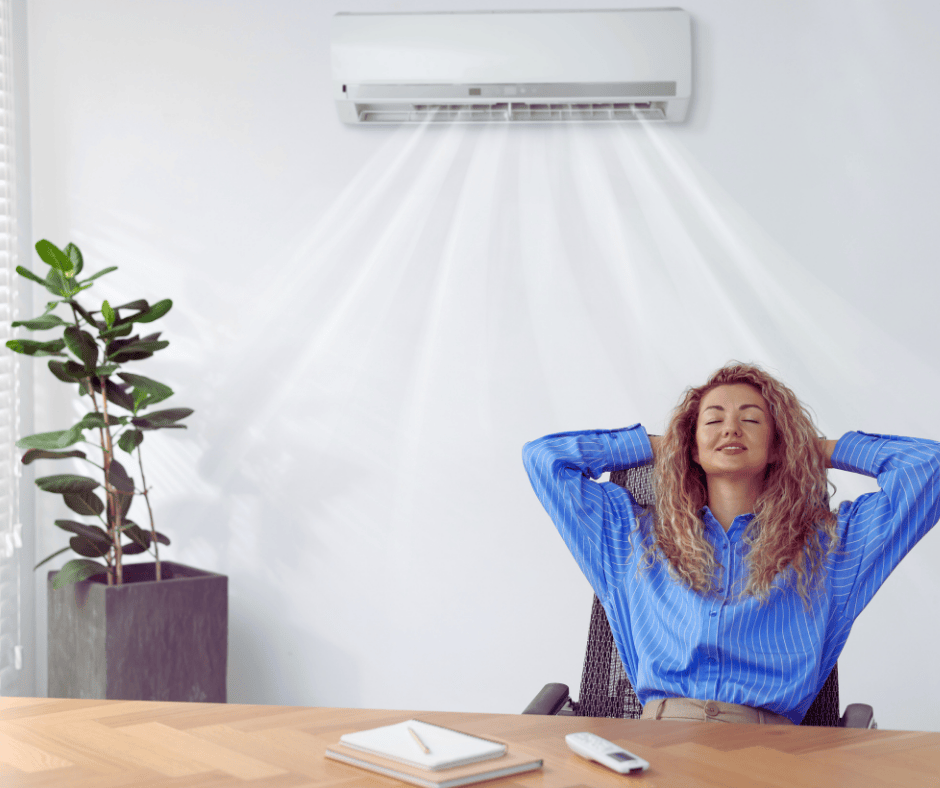
The single biggest factor in how well ductless mini splits Atlanta ga homeowners install actually perform is sizing. A mini-split rated for more capacity than a room needs does not cool it better; it cools it worse. An oversized unit satisfies the thermostat quickly and shuts down before it has run long enough to pull humidity out of the air, which in Georgia's humid climate leaves a room that feels cold and clammy at the same time. An undersized unit runs constantly and still cannot keep up on the hottest afternoons. The correct size comes from a load calculation, a measurement of how much heating and cooling a specific room actually requires based on its size, windows, insulation, and exposure, rather than a guess based on square footage alone.
This matters more in North Atlanta than in drier regions because of the humidity. Summer dewpoints here regularly climb above 70 degrees, and indoor humidity above 60 percent feels sticky and raises mold risk even when the temperature reads correctly. A properly sized ductless system runs longer, gentler cycles that remove moisture steadily, which is what produces the even, dry comfort ductless mini splits Atlanta ga buyers are after. Right-sizing is the foundation, and skipping the load calculation is the most common reason a ductless install disappoints.
The next comfort decision is how many zones a home needs. A single-zone system pairs one outdoor unit with one indoor unit to condition a single space, which suits a specific problem room like a bonus room over the garage, a sunroom, or a converted attic. A multi-zone system connects several indoor units to one outdoor unit, letting a homeowner condition several rooms independently, each with its own temperature setting. For ductless mini splits Atlanta ga households with more than one problem area, or those conditioning a whole addition, multi-zone delivers room-by-room control that a central system cannot match.
The value of that zoned control is real comfort, not just convenience. A bedroom can be kept cooler at night while an unused guest room is set back, and a home office can hold a steady temperature through the workday without conditioning the rest of the floor. Because each indoor unit runs independently, a household only conditions the rooms in use, and every occupied room can sit at its own preferred setting. Matching the number of zones to how a family actually uses the home is a decision worth making carefully during planning, and it is central to getting the most from ductless mini splits Atlanta ga homeowners choose.
Placement of the indoor units is where comfort is quietly made or missed. An indoor unit mounted where its airflow is blocked by furniture, or aimed straight at a bed or a desk, produces uneven temperatures and drafts even when the system is sized correctly. The best placement distributes air across the room without blowing directly on the spots where people sit and sleep, and keeps the unit clear of obstructions that would disrupt its airflow pattern. For ductless mini splits Atlanta ga installations, thoughtful placement of each head is what turns correct sizing into actual, felt comfort.
Placement also accounts for the room's heat sources. A room with large west-facing windows takes on significant afternoon heat, and a space below an attic absorbs radiant heat from above, since Georgia attic temperatures routinely climb past 130 degrees on a summer day. A good installer reads those conditions and positions the indoor unit to counter them rather than fight them. This is why an in-home assessment matters more than an over-the-phone plan; the right placement for ductless mini splits Atlanta ga homes depends on seeing the actual room, its windows, and its exposure.


North Atlanta's humid-subtropical climate rewards a well-installed ductless system and exposes a poorly installed one. Because a mini-split uses an inverter compressor that ramps its speed up and down to match the load rather than switching fully on and off, a correctly sized and placed system holds a remarkably steady temperature and removes humidity gently throughout the day. That steadiness is exactly what the Georgia summer demands, and it is why ductless mini splits Atlanta ga homeowners value the technology when it is set up properly.
Mild Georgia winters also let the heat pump handle most of the heating season efficiently, so a well-configured ductless system delivers year-round comfort for the spaces it serves rather than a summer-only fix. New systems installed now use the current generation of refrigerant following the post-2025 transition away from the older R-410A, which is worth understanding when planning any new equipment. The climate does not forgive a rushed install, but it makes a careful one shine, which is the whole argument for treating the setup of ductless mini splits Atlanta ga residents install as the decision that matters most.
Comfort from ductless mini splits Atlanta ga homeowners install is not only about the install day; a small amount of upkeep keeps the system performing. The indoor units use washable filters that need regular cleaning, because a dirty filter restricts airflow and dulls both cooling and heating. The outdoor unit needs to stay clear of leaves and debris, and periodic professional service keeps the refrigerant charge correct and the system running at its rated performance. One Hour offers maintenance through its Comfort Club plan, which keeps a ductless system, or a central system, on a regular service schedule so small issues are caught before they become comfort problems or breakdowns.
For qualifying households, a ductless heat pump may also intersect with Georgia's Home Energy Rebates program, known as HEAR. HEAR is income-based and administered by the state, offering eligible homeowners a rebate toward a qualifying high-efficiency heat pump, with the largest benefits going to households at or below 80 percent of Area Median Income and partial rebates between 80 and 150 percent. Eligibility depends on income, the equipment, and program requirements, so the amount is confirmed only after a review rather than promised. One Hour is an approved contractor for the program and can check whether a household and project qualify, and flexible financing, including a 0 percent offer a homeowner can confirm is current, is available as well.

One Hour Heating and Air Conditioning of North Atlanta installs and services ductless mini-split systems from its shop at 1360 Union Hill Rd Ste 5F in Alpharetta, GA 30004, serving Alpharetta, Cumming, Dunwoody, East Cobb, Milton, Roswell, Sandy Springs, and the broader North Atlanta metro. The company is licensed and insured, locally and independently operated, and backs its work with StraightForward upfront pricing so the cost is clear before the work begins, the Always On Time, Or You Don't Pay a Dime guarantee, a 100 percent satisfaction commitment, and a record across more than a hundred five-star reviews. Because comfort from a mini-split depends on correct sizing, zoning, and placement, the work starts with a free in-home assessment rather than a quick quote. North Atlanta homeowners interested in ductless mini splits Atlanta ga households can trust can call One Hour at (404) 721-3562 to schedule that assessment. This article is general information only; the right ductless configuration for a specific home depends on a load calculation and an in-home evaluation by a qualified technician.
Redirect to:
|
This page is a redirect. The following categories are used to track and monitor this redirect:
|